Choosing the right clothing manufacturer is one of the most important decisions for any fashion brand. The right partner can help you develop better products, control production quality, meet delivery deadlines, and grow your business with confidence. However, not every supplier can provide the same level of service.
Here are the key factors to consider when choosing a reliable clothing manufacturer for your brand.
1. Check the Manufacturer’s Experience
A reliable clothing manufacturer should have experience producing the types of garments your brand needs. Whether you are developing T-shirts, polo shirts, hoodies, sweatshirts, or other casual apparel, the factory should understand fabrics, fit, construction, printing, embroidery, and finishing details.
Ask the manufacturer about its production experience, previous product categories, and ability to handle custom designs. A factory with strong experience can often identify potential problems early and offer practical solutions during product development.
2. Review the Factory’s Production Capacity
Production capacity is important when your brand grows or you need to meet a tight delivery schedule. Before placing an order, ask about the factory’s production facilities, workforce, equipment, quality control process, and average lead time.
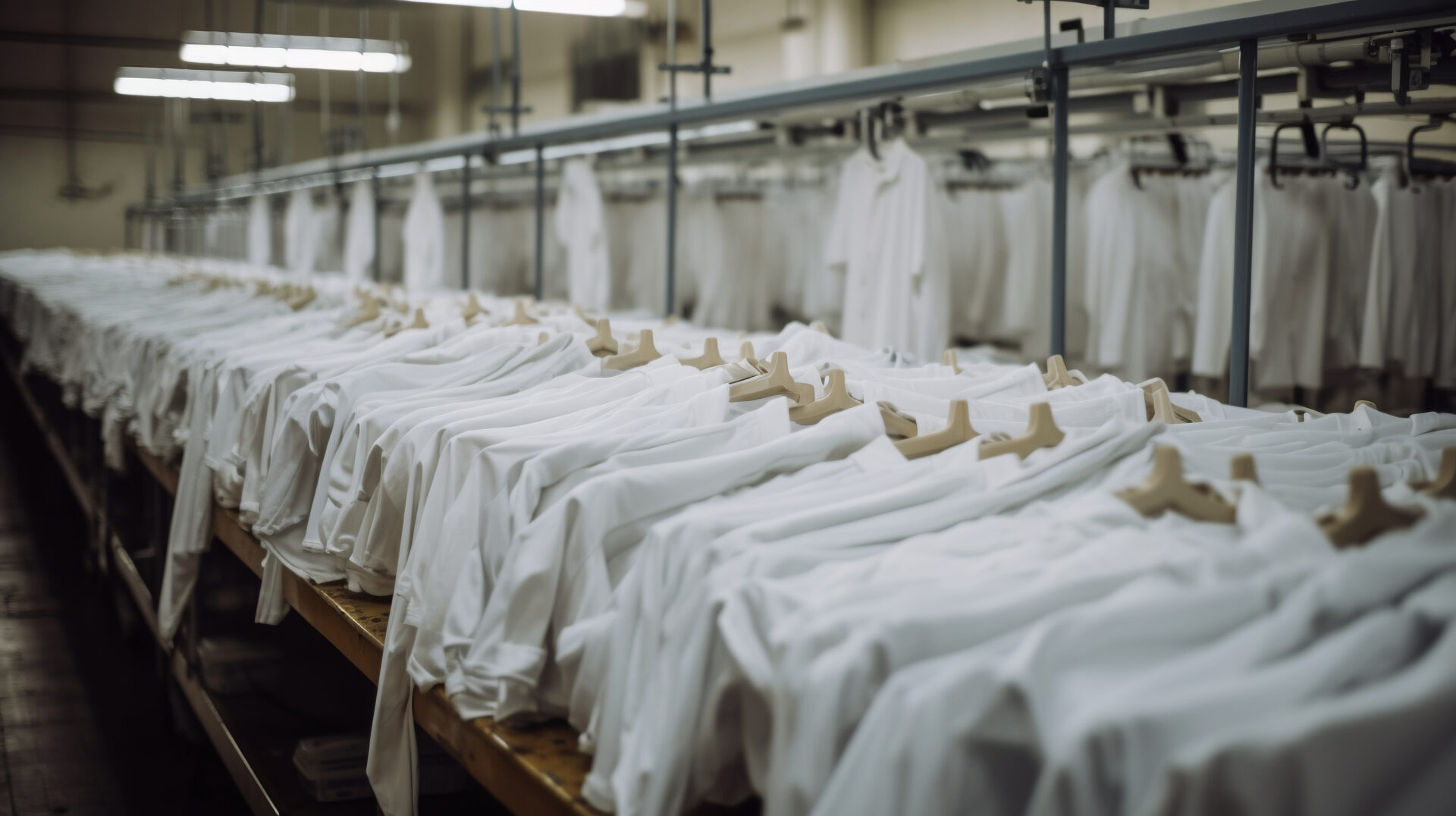
Sanhaijing Garment is based in Guangzhou, China, and operates a manufacturing base covering approximately 5,000 mu, with more than 2,000 employees. This large production team and manufacturing base support the development and production of apparel orders for international customers.
3. Confirm the MOQ and Sampling Process
Minimum order quantity, or MOQ, is a major concern for startups and growing brands. Some factories only accept large orders, while others can support small-batch production and product testing.
Before working with a manufacturer, confirm:
Minimum order quantity for each style
Available color and size combinations
Sample development time
Sample fees
Custom logo and label requirements
Production time after sample approval
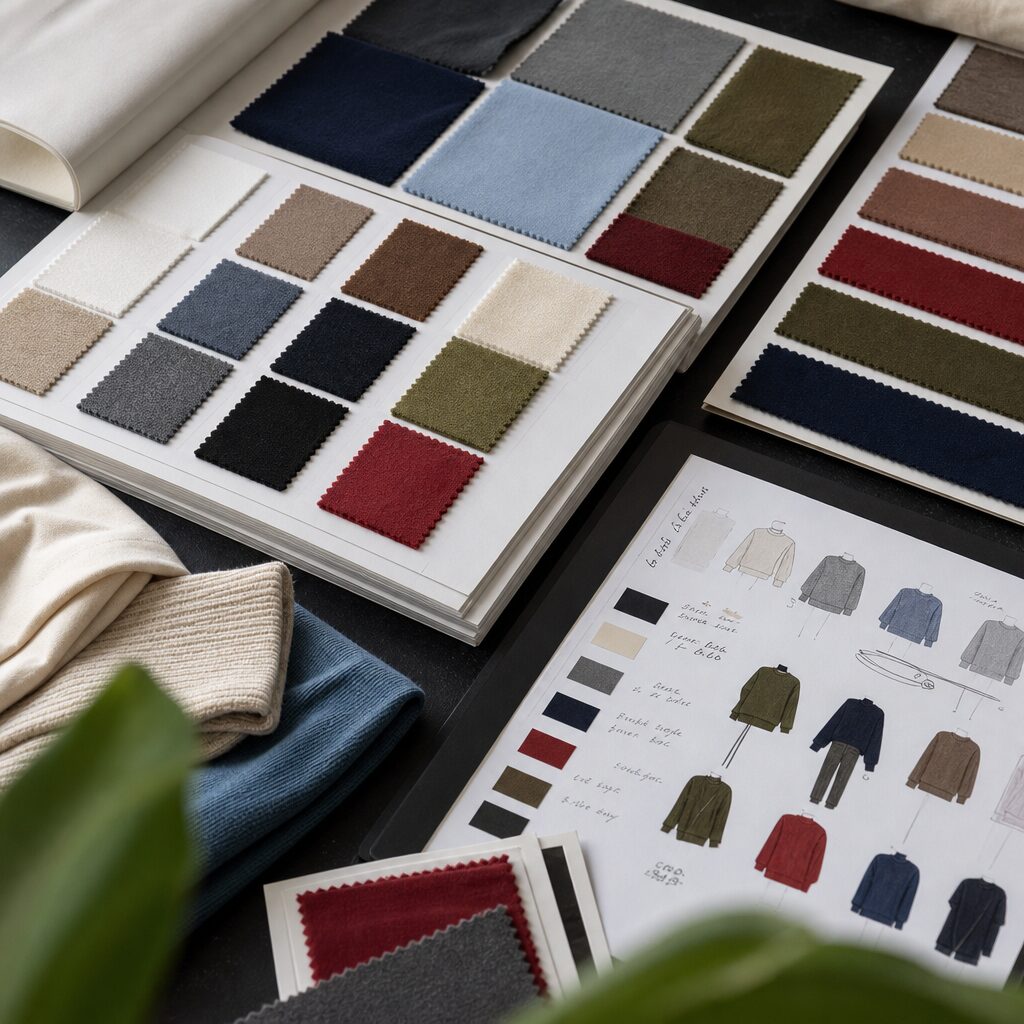
A clear sampling process allows you to check the fit, fabric, color, workmanship, and overall appearance before starting bulk production.
4.Evaluate Product Quality and Communication
Quality depends not only on the fabric but also on pattern making, stitching, trimming, printing, washing, and final inspection. A reliable manufacturer should be willing to discuss your requirements in detail and provide clear answers.
During communication, pay attention to whether the supplier:
Understands your tech pack or reference images
Gives accurate product suggestions
Explains production limitations clearly
Responds within a reasonable time
Confirms specifications in writing
Good communication helps reduce misunderstandings and keeps the project moving smoothly.
5. Ask About Quality Control
A professional clothing manufacturer should have quality control procedures throughout the production process, not just at the end. Quality checks may include fabric inspection, pattern checking, sewing inspection, measurement checking, printing or embroidery inspection, and final product inspection.
You can ask the manufacturer how it handles problems such as incorrect measurements, loose threads, color differences, damaged fabric, or printing defects. A clear quality control process shows that the factory takes responsibility for the final product.
6. Check Warehousing and Delivery Support
Warehousing and logistics can make a major difference to order efficiency, especially for wholesalers and brands that need products delivered to different locations.
Sanhaijing Garment has five warehouses in China. This warehouse network helps support stock management, product handling, order preparation, and delivery coordination for customers with different purchasing and fulfillment needs.
When comparing suppliers, ask whether they can support bulk storage, mixed orders, repeat orders, export packaging, and delivery arrangements.
7. Compare Value, Not Only Price
The lowest quotation is not always the best choice. A very low price may come with compromises in fabric quality, workmanship, communication, packaging, or delivery reliability.
Instead of comparing price alone, consider the complete value offered by the manufacturer, including:
- Product quality
- Fabric and accessory options
- Customization capability
- MOQ flexibility
- Sampling service
- Quality control
- Lead time
- Communication
- Warehousing and logistics support
A dependable manufacturing partner can help you avoid costly quality problems and delays in the future.
Conclusion
Choosing a reliable clothing manufacturer requires more than comparing quotations. You should evaluate the factory’s experience, production capacity, MOQ, sampling process, quality control, communication, warehousing, and delivery support.
For brands looking for an experienced apparel manufacturing partner in China, Sanhaijing Garment provides OEM and ODM clothing solutions from its base in Guangzhou. With a manufacturing base of approximately 5,000 mu, more than 2,000 employees, and five warehouses in China, Sanhaijing Garment supports brands, wholesalers, and fashion businesses with product development and apparel production.
Contact Sanhaijing Garment to discuss your next clothing project, request a sample, or learn more about our OEM and ODM manufacturing services.